

Hi, I’m Ifytext Chibuzor. I'm an electrician. I have spent over 4 years working with prepaid meters, solar setups, and inverters. I started PowerPek to share real-life solutions to the everyday power issues many of us face with our prepaid meters — from token errors to meter tampering warnings and many others.
Hi, I’m Ifytext Chibuzor. I'm an electrician. I have spent over 4 years working with prepaid meters, solar setups, and inverters. I started PowerPek to share real-life solutions to the everyday power issues many of us face with our prepaid meters — from token errors to meter tampering warnings and many others.
In order to reduce the overall cost of setting up a solar power system with prepaid meters, some electricity consumers have adopted a do-it-yourself (DIY) approach to installing their solar power system with prepaid meters.
However, before electricity users can even think of using the DIY method to install solar panels with prepaid meters, they must understand the basic principles of electrical systems and, at the same time, know the local regulations guiding solar installation with prepaid meters in their region.
The cost of DIY solar installation with prepaid meters is not fixed; it varies depending on the capacity of the solar power system you want to install, the brands of the solar panels you want to buy, and your country of residence.
🚀 Join Our Crypto Airdrop Channel! 💰
Stay updated on the latest free airdrops and earn free crypto effortlessly. Don’t miss out!
🔗 Join Now on TelegramNevertheless, in this article on DIY Solar Installation with Prepaid Meter Cost, we’ll breakdown the solar power system components and their corresponding prices to enable us to get the approximate overall cost that may be applicable to all electricity consumers, regardless of country or region.
What are DIY solar installations?
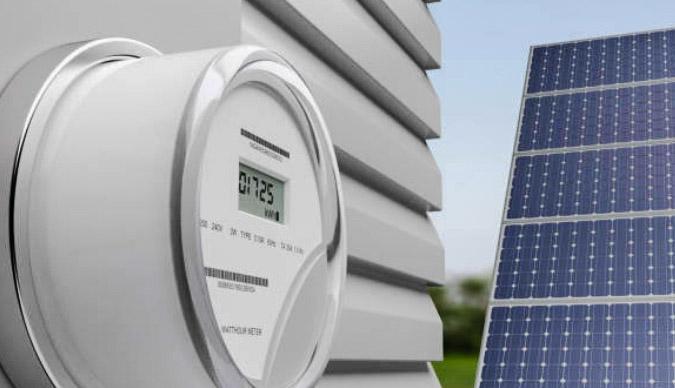
DIY (do-it-yourself) solar installation refers to the process where homeowners install solar panels and other related equipment themselves without hiring professional installers. The DIY method reduces the overall cost of installing a solar power system on a property.
However, before a homeowner can use the DIY approach to solar installation, such a person must have basic knowledge of electrical systems and the safety precautions involved to be able to achieve success without casualties.
Components of a DIY Solar System
Before we proceed with the discussion, let’s take a moment to look at the basic components of a DIY solar system so that we can use them in the next section to determine the cost of solar installation with prepaid meters.
- Solar Panels: This is one of the main components of solar system that converts sunlight into electricity. Its cost varies based on the brand, type, and efficiency.
- Inverter: The solar system also contains inverter that converts DC electricity to alternate current at home. Its cost is type- and brand-dependent too.
- Batteries: if you want to install off-grid solar system or need uninterrupted power supply, you’ll need a battery to store excess solar energy
- Prepaid meter: Although it is not a must for a solar system, you need it to accurately monitor and track your solar energy usage
- Mounting Equipment: The components also includes brackets and racks that can be used to securely attach the solar panels to the roof or ground
- Wiring and Electrical Components The electrical component is also part of solar power because it is needed for the system to function.
Diy Solar Installation with Prepaid Meters Cost
For us to get the actual cost of DIY solar installation with prepaid meters, it is important for us to breakdown the cost based on the individual components of the solar power system. The cost breakdown goes thus:
- Solar Panels: The average cost of a 5 kW solar panel is between $3,500 and $7,500.
- Inverter: The average cost of inverter ranges from $1,000 to $2,500
- Mounting Equipment: The cost of solar mounting equipment is between $200 and $1,000.
- Batteries: The cost of solar battery ranges from $2,000 to $10,000.
- Prepaid meter: The average cost of prepaid meter is between $100 and $300
- Wiring and Electrical Components: The cost of solar wiring components is between $500 and $1,000.
In all, the average estimated cost of installing a 5 kW solar power system with a prepaid meter using the DIY approach is between $7,300 and $22,300.
N/B;
The cost mentioned above is just an estimate since it can vary depending on efficiency, brand, and the kind of solar power system you want to build.
DIY Solar Installation with Prepaid Meters Process
The procedures involved in DIY solar installation with prepaid meters are:
- assessment of your energy needs, roof space, and sunlight will help design the solar power system properly
- Purchasing all the necessary solar power system component
- Installation of the solar system involves securely mounting the solar panels, connecting the essential components through wiring, and integrating them with prepaid meters.
- Testing the system to ensure that they is working properly
- If there is solar power system regulation in your region, you can invite the regulatory team for approval.
DIY solar installation with prepaid meters cost in Nigeria
The cost of DIY solar installation with prepaid meters in Nigeria varies depending on the type, brand, and efficiency of the solar system you want to install. However, the average cost is between ₦3.46 million and ₦7 million for a 5 kW system.
DIY solar installation with prepaid meters in India
The total average estimated cost of DIY solar installation with prepaid meters in India ranges from ₹3.4 lakh to ₹7.95 lakh for a 5 kW system. This cost is totally dependent on the capacity of the solar system you want to install and the built-up components.
Conclusion
The DIY solar installation with prepaid meters also has its difficulties even though it is cost-effective. It requires a good understanding of electrical systems, adherence to local regulations, and careful planning. Although the upfront costs may be big, but the long-term savings on electricity bills and the environmental benefits is worth the investment.
However, if you’re not experienced in handling the technical aspects of the installation, it is vital for you to consult with a professional to ensure the installation is safe and efficient.


Hi, I’m Ifytext Chibuzor. I'm an electrician. I have spent over 4 years working with prepaid meters, solar setups, and inverters. I started PowerPek to share real-life solutions to the everyday power issues many of us face with our prepaid meters — from token errors to meter tampering warnings and many others.
 JOIN OUR TELEGRAM CHANNEL
  JOIN OUR WHATSAPP CHANNEL


